
What Is the Mandya Sheep Indian Breed?
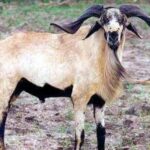
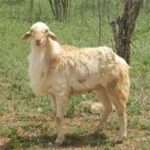
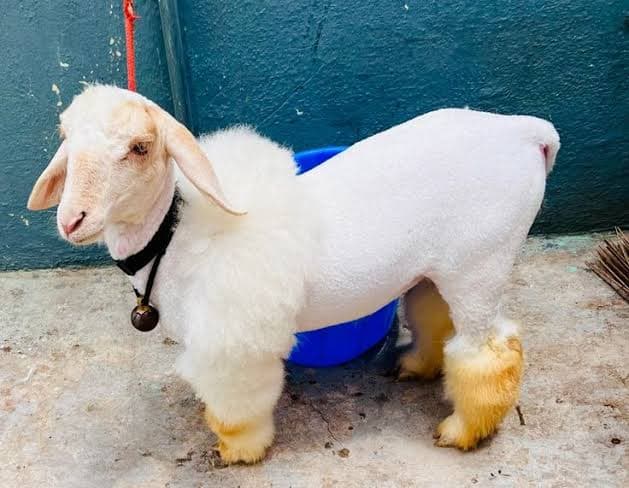
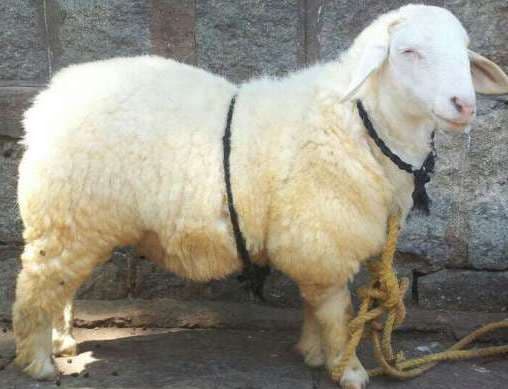
Mandya sheep is a well-known Indian breed of sheep associated primarily with Karnataka, particularly the Mandya region and nearby parts of southern Karnataka. It is popularly known by names such as Mandya, Bandur, and Bannur, and it has developed a strong reputation as a meat-oriented sheep because of its compact body and distinctive mutton-type conformation. Unlike some larger Indian sheep breeds that are selected mainly for body size, Mandya sheep is valued for the way its body is shaped, with a compact and stocky appearance that has historically attracted farmers interested in meat production. Agricultural references describe Mandya as a relatively small sheep, usually white in colour, sometimes with a light-brown shade on the face that may extend toward the neck. Its ears are characteristically long, leafy and drooping, while both males and females are generally polled.
The importance of this Indian breed goes beyond its appearance. Indigenous livestock breeds often develop over generations under local environmental and management conditions, making them valuable genetic resources for sustainable livestock production. ICAR has continued to emphasize the conservation and documentation of India’s native animal genetic resources, and current ICAR information lists dozens of registered indigenous sheep breeds in the country. The Livestock Research and Information Centre (Sheep) at Nagamangala, under Karnataka Veterinary, Animal and Fisheries Sciences University, specifically maintains and conserves pure Mandya, Tumkur and Hassan sheep and conducts research into nutrition, health, husbandry and breeding. For farmers searching for a locally adapted Indian breed with a strong meat-production identity, Mandya sheep remains an interesting option.
Origin and Native Tract
The natural home of Mandya sheep is closely connected with Mandya district of Karnataka, with the breed also found in areas bordering Mysuru and other parts of southern Karnataka. Historical breed references identify Mandya, also called Bannur or Bandur, with the Mandya distribution area and neighbouring Mysore region. The breed’s association with Bandur is also reflected in the name itself, which has historically been connected with the village or locality where the sheep was recognized.
This geographical background matters because the qualities of an indigenous Indian breed are often closely connected to its production environment. Mandya sheep has been maintained in a region where farmers traditionally use combinations of grazing, tethering and supplementary feeding. ICAR documentation describes Mandya sheep as being mainly maintained through grazing, although some farmers also use stall feeding, while tethering in cultivated fields has been practiced in the traditional production system. Such management demonstrates why breed selection should not be based simply on body weight or photographs. A sheep that performs well under the climate, feed resources and management practices available to a farmer can be more useful than a larger breed that requires substantially different conditions.
Other Names of Mandya Sheep
Mandya sheep is commonly associated with the names Bandur and Bannur. These names are particularly relevant when farmers or livestock buyers search for information about the breed because regional terminology can vary. A farmer looking only for “Mandya sheep” may therefore miss useful information published under “Bandur sheep” or “Bannur sheep.” Recent reporting also continues to use the term Bandur when discussing conservation, breeding and the commercial value of this native sheep.
Physical Characteristics of Mandya Sheep
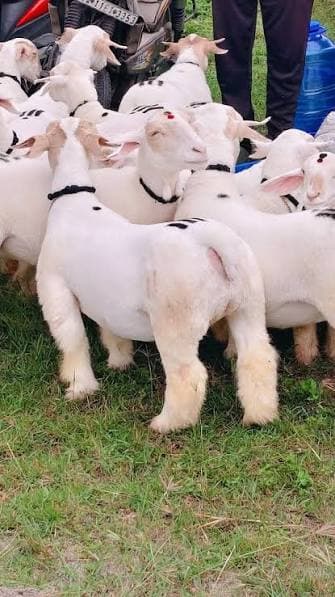
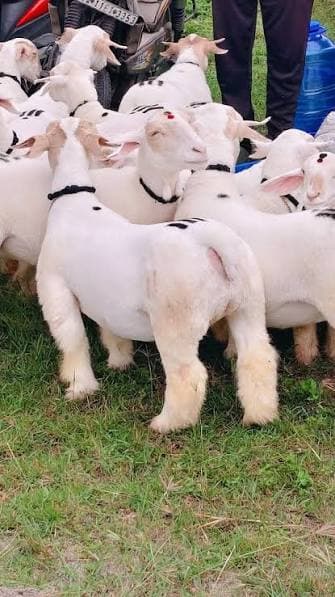
The physical appearance of Mandya sheep is one of its most recognizable features. It is generally a small-sized, compact and stocky Indian breed, with a body that gives a strong impression of meat-producing conformation. Most animals are white, although a light-brown colour can occur on the face and may extend toward the neck. The ears are long, leaf-shaped and drooping, and both sexes are generally polled. Agricultural teaching material describes the coat as extremely coarse and hairy, which is consistent with the breed’s primary identity as a meat sheep rather than a specialized wool-producing breed.
Older ICAR descriptions provide additional details, including a Roman-type nose, hanging wattles in many animals, a light-brown head and neck, a dwarf and stocky body, a well-projected shoulder and chest, and a relatively uniform topline. The short, sturdy legs and wide hip placement contribute to the breed’s square, meaty appearance. These characteristics are important when selecting breeding animals because conformation can influence the usefulness of an animal for meat production. However, farmers should avoid choosing breeding stock based on appearance alone. Age, health, reproductive history, growth, mothering ability, disease history and the quality of the parents should also be considered.
Why Mandya Sheep Is Considered an Important Indian Breed
Mandya sheep occupies a special position among Indian sheep because it is strongly associated with mutton production and desirable meat-type conformation. An Indian Journal of Animal Sciences study comparing four Karnataka sheep breeds found that Kenguri and Bellary sheep were generally larger and heavier than Mandya and Hassan sheep, illustrating that Mandya’s value cannot be judged simply by comparing mature body weight with larger breeds. Historical breed references similarly describe Mandya as particularly notable for meat-type conformation, even though its body weight and growth performance are not necessarily superior to every other Indian breed.
This distinction is important for anyone considering sheep farming. Bigger does not automatically mean better. Imagine comparing two trucks: one has a larger engine, while another is smaller but perfectly designed for a particular road and load. Livestock breeds work in a similar way. Mandya’s compact body, local adaptation and established reputation for mutton make it valuable even though it is not among India’s largest sheep breeds. Recent conservation efforts also show that the breed continues to attract attention from livestock authorities and farmers. In 2026, Karnataka announced plans for a new Bandur Sheep Research Centre in Mysuru district, with the stated goals of conservation, scientific breeding, healthcare, nutrition and improved management.
Meat Production and Conformation
The primary economic purpose of Mandya sheep is meat production. Its compact body and pronounced meat-type conformation are among the features that have helped it develop a strong reputation among traditional sheep rearers. Older production data reported by FAO indicate dressing percentages of approximately 45% to 49% at different slaughter ages, although farmers should not treat historical averages as guaranteed results for individual animals or modern farms.
Modern productivity depends heavily on nutrition, genetics, age at marketing, health, management and the quality of available feed. A healthy lamb receiving adequate nutrition can perform very differently from an animal raised under nutritional stress. Therefore, the real advantage of this Indian breed comes from combining good genetics with good management rather than expecting the breed name alone to produce high profits.
Adaptation to Karnataka Conditions
Mandya sheep has been maintained for generations in southern Karnataka, and its continued presence in the region reflects its importance within the local livestock system. The KVAFSU Livestock Research and Information Centre at Nagamangala is located in Mandya district and specifically works on the conservation and improvement of Mandya sheep. Its research programme covers feeding, reproduction, growth, mortality, breeding technologies and other production traits.
For farmers, local adaptation can be a practical advantage. Sheep farming is not simply about buying animals and providing feed. Climate, grazing availability, water, disease pressure, housing and farmer experience all influence results. A breed that has been maintained in the surrounding environment may fit the existing production system more naturally than an unfamiliar breed. That does not mean Mandya sheep is automatically suitable for every farm, but it explains why the breed remains important in its traditional tract.
Body Weight and Growth Performance
Mandya sheep is relatively small compared with some larger Indian sheep breeds. A published comparison of Karnataka sheep breeds reported mean adult body weights of approximately 37.21 kg for Mandya rams and 26.78 kg for Mandya ewes in the studied farmer flocks. The same study showed that Kenguri and Bellary sheep were generally heavier, demonstrating the considerable variation among Karnataka’s sheep breeds.
Other published research has reported different growth values under different management systems, which is a useful reminder that breed averages should not be treated as fixed numbers. Age, nutrition, sex, farm management, genetic selection and environmental conditions all affect body weight. For example, a study of Mandya lambs reported birth weight around 2.10 kg in one research population, while another source provides different historical growth averages. Farmers should therefore use regular weighing and growth records rather than relying on visual estimation alone.
| Trait | Mandya sheep characteristics |
|---|---|
| Main purpose | Meat production |
| Native region | Mandya and adjoining areas of southern Karnataka |
| Common names | Mandya, Bandur, Bannur |
| General size | Relatively small |
| Coat | Usually white, sometimes light brown on face/neck |
| Ears | Long, leafy and drooping |
| Horns | Generally polled |
| Body type | Compact, stocky and meaty |
| Wool/coat | Coarse and hairy |
| Main value | Mutton-type conformation and local adaptation |
Male and Female Body Characteristics
Males generally have greater body weight and stronger muscular development than females, as expected in sheep production systems. However, a good breeding ram should not be selected solely because it is heavy. Farmers should also examine its legs, feet, body structure, reproductive organs, general health and pedigree or flock history. A ram contributes genetics to many lambs, so selecting a poor-quality ram can influence the performance of an entire flock.
Ewes are equally important because reproductive efficiency directly affects the number of lambs available for future sale or replacement. Healthy ewes with good body condition, sound udders and reliable mothering ability are valuable assets. Research and breeding programmes at KVAFSU have focused on improving reproductive performance and growth through systematic selection and breeding technologies.
Feeding and Nutrition Management
Good nutrition is the engine behind productive sheep farming. Even the best Indian breed cannot express its genetic potential when animals are consistently underfed or receive an unbalanced diet. Mandya sheep can be maintained through grazing systems, but farmers should evaluate the quality and quantity of pasture available throughout the year. During periods when grazing material is insufficient, supplementation with suitable green fodder, dry fodder and concentrate feed may be necessary.
The nutritional needs of a lamb are different from those of a mature ewe, pregnant ewe or breeding ram. KVAFSU’s sheep research centre has developed feeding schedules for different categories, including breeding rams, breeding ewes, pregnant and lactating ewes, yearlings, hoggets and young lambs. The institution has also worked on silage making, dry-fodder enrichment and concentrated feeds for different age groups.
Clean drinking water should always be available. Mineral supplementation can also be useful where local feed resources are deficient, but the exact programme should be based on veterinary or livestock-nutrition advice. A practical feeding strategy should aim for steady growth rather than sudden weight gain followed by nutritional shortage. In commercial farming, consistent growth often makes more sense than simply trying to push animals to maximum size.
Grazing and Housing Management
Traditional Mandya sheep production has relied heavily on grazing, although stall feeding and tethering have also been practiced. Grazing can reduce feed costs when adequate pasture is available, but it should be managed carefully. Overgrazing can damage pasture and reduce the availability of nutritious plants, while poorly managed grazing can increase exposure to parasites and other health problems.
Housing does not need to be unnecessarily expensive. A sheep shed should provide adequate ventilation, protection from heavy rain and extreme weather, a dry floor and sufficient space for the animals to move comfortably. Lambs, pregnant ewes and sick animals may need separate areas so that they can receive appropriate care. Good drainage is particularly important because wet, dirty housing can contribute to foot problems and disease.
Farmers should also maintain clean feeding and watering areas. If animals continuously walk through contaminated mud around feed and water, the risk of disease increases. Think of housing as the foundation of a building: you may invest heavily in good animals, but if the foundation is poor, the entire farming system becomes vulnerable.
Breeding Management of Mandya Sheep
Breeding management determines whether a flock improves or deteriorates over time. Farmers should select breeding animals based on multiple traits, including body structure, growth, health, fertility and the performance of relatives. Random mating can maintain a flock, but planned selection provides a better opportunity to improve economically important traits.
KVAFSU’s Mandya sheep programme has worked on selective breeding, elite breeding rams, reproductive performance and technologies such as oestrus synchronization and artificial insemination. The institution reports that elite breeding rams have been distributed to farmers as part of efforts to improve the quality and quantity of meat production.
Farmers should avoid repeatedly breeding closely related animals because excessive inbreeding can reduce genetic diversity and may negatively affect fertility, survival or performance. Keeping basic records can make a major difference. Record the identification of each ewe and ram, mating dates, lambing dates, number of lambs, birth weights, growth and health events. Over several years, these records can reveal which animals are genuinely improving the flock.
Health Care and Disease Prevention
A healthy sheep is a productive sheep, and disease prevention is usually less expensive than treating a serious outbreak. Farmers should work with local veterinary professionals to develop vaccination, deworming, parasite-control and disease-monitoring programmes suitable for their area. Common management practices should include regular observation of appetite, body condition, movement, breathing, skin, eyes, droppings and general behaviour.
Newly purchased animals should be handled carefully and, where appropriate, kept separate from the existing flock while their health status is evaluated. This simple biosecurity practice can reduce the chance of introducing infections into a healthy flock. Clean housing, safe drinking water, good nutrition and appropriate stocking density also support disease prevention.
Lambs require particular attention because young animals can be vulnerable to nutritional stress, infections and parasites. Research on Mandya sheep has specifically examined mortality patterns and control measures, demonstrating that health management is an important component of improving flock productivity. Farmers should never depend on internet articles alone when an animal is seriously ill; veterinary examination is the appropriate response when symptoms are severe or persistent.
Economic Importance of Mandya Sheep Farming
Mandya sheep can contribute to farm income through the sale of lambs, breeding stock and mature animals for meat. Its reputation for quality mutton has helped create commercial interest in the breed, particularly in Karnataka. Recent reporting on the proposed Bandur Sheep Research Centre stated that demand from urban consumers, hotels, meat traders and households has increased interest in the breed and that premium prices have been reported for Bandur mutton.
However, farmers should be careful when evaluating profitability. A reported market price is not the same thing as guaranteed farm profit. Profit depends on the purchase price of breeding animals, feed costs, labour, veterinary expenses, mortality, lambing rate, growth rate, transport, market demand and selling age. A farmer should calculate the complete cost of raising each animal before deciding whether the business is financially attractive.
The strongest business model is usually built around efficient management rather than simply chasing high selling prices. Healthy breeding stock, controlled mortality, good lamb survival, efficient feeding and timely marketing can collectively have a larger impact on profitability than one exceptionally high market price.
Conservation and Genetic Improvement
Conservation is particularly important for a specialized Indian breed such as Mandya because genetic diversity is a long-term agricultural resource. If a native breed declines substantially, its unique characteristics may become difficult or impossible to recover. ICAR has described animal breed registration and conservation as important mechanisms for protecting India’s indigenous animal genetic resources.
KVAFSU maintains an elite Mandya sheep seed flock at Nagamangala as a nucleus breeding unit for in-situ conservation and genetic improvement. Its research programme has also included the distribution of elite breeding rams and systematic work on growth and reproductive performance.
These efforts matter because conservation does not mean simply keeping animals alive. A useful conservation programme protects breed identity while allowing farmers to benefit economically from better productivity. Scientific selection, accurate records, controlled breeding and farmer training can help achieve both goals. The announcement of another Bandur research centre in Mysuru district in 2026 is another indication that conservation and development of this native breed remain active priorities in Karnataka.
Mandya Sheep Compared With Other Indian Sheep Breeds
India has a remarkably diverse sheep population, with breeds adapted to different climates, production systems and market objectives. Mandya should therefore be compared with other breeds according to the farmer’s actual objective rather than through a simple “best breed” ranking. Some Indian breeds are taller or heavier, while others are selected for wool, milk, meat or combined production.
A 2014 ICAR-published study comparing Karnataka breeds found Kenguri and Bellary to be heavier than Mandya in the studied flocks, while Mandya was still distinct in its morphological characteristics. This illustrates an important point: body weight is only one measure of breed value.
| Factor | Mandya | General comparison |
| Primary use | Mutton | Strong meat orientation |
| Body size | Relatively small | Some Indian breeds are much larger |
| Conformation | Compact and meaty | Distinctive meat-type shape |
| Regional adaptation | Strongly associated with southern Karnataka | Other breeds may suit different regions |
| Wool value | Limited | Wool breeds are better suited to fibre production |
| Local identity | Strong | Varies by breed |
| Conservation importance | High | Important native genetic resource |
Advantages and Limitations of Mandya Sheep Farming
One of the biggest advantages of Mandya sheep is its established identity as a meat-oriented Indian breed. Its compact body and traditional association with quality mutton make it attractive to farmers and buyers in its home region. Its long history in southern Karnataka also means that there is an established knowledge base around breeding, management and conservation. The presence of a dedicated sheep research facility at Nagamangala adds further institutional support for research and farmer-oriented improvement.
At the same time, Mandya sheep is not a magic solution to every sheep-farming problem. It is relatively small compared with larger breeds, and published studies show that its mature body weight can be lower than that of breeds such as Kenguri and Bellary. Historical literature has also identified challenges involving reproductive efficiency and lamb mortality, which is why management and genetic improvement remain important.
| Advantages | Limitations |
| Strong meat-type conformation | Relatively small body size |
| Important native Indian breed | Requires careful breeding selection |
| Adapted to southern Karnataka conditions | Performance varies with nutrition |
| Established local market identity | Disease prevention is essential |
| Supported by conservation programmes | Not ideal if the goal is high wool production |
| Suitable for organized breeding programmes | Profit depends on market and management |
Tips for Farmers Starting a Mandya Sheep Farm
A farmer planning to start a Mandya sheep unit should begin with the quality of breeding stock, not simply the number of animals. Purchasing many poor-quality sheep can create larger problems than starting with a smaller flock of healthy, well-selected animals. Look for animals with good body structure, sound feet and legs, healthy appearance and reliable production history. When possible, obtain animals from recognized breeders or institutional programmes and maintain identification records.
The next priority should be feed availability. Before buying sheep, calculate how much pasture, crop residue, green fodder and supplementary feed are available during both good and difficult seasons. Water availability should also be considered. A flock that grows well during the rainy season but loses condition during the dry season will not deliver consistent income.
Farmers should also create a simple health and breeding calendar. Keep records of vaccinations, deworming, mating, lambing, birth weights, deaths and sales. Weighing lambs periodically can show which ewes and rams are producing better offspring. Over time, these records turn a traditional flock into a more professionally managed livestock enterprise.
Finally, study the market before expanding. Find out who buys Mandya sheep in the local area, whether buyers prefer particular weights, how prices change during festivals or high-demand periods, and what transportation costs are involved. A profitable livestock business begins with the market and works backward toward production.
Future of the Mandya Sheep Indian Breed
The future of the Mandya sheep Indian breed will depend on balancing conservation with farmer profitability. A breed cannot be protected successfully if farmers have no economic reason to maintain it. At the same time, uncontrolled crossbreeding can weaken breed identity and gradually reduce the characteristics that make Mandya valuable.
The work being carried out by KVAFSU provides an important model. Its Mandya sheep programme includes conservation, elite breeding rams, growth studies, reproductive research, feeding technologies and farmer-oriented breeding interventions. The proposed Bandur Sheep Research Centre in Mysuru district adds another layer of institutional support, with plans focused on scientific breeding, healthcare, nutrition, disease management, training and productivity improvement.
The broader national picture is also encouraging. ICAR reported in November 2025 that the country had registered 46 indigenous sheep breeds among its recognized indigenous animal breeds, alongside many other livestock and poultry breeds. This continuing documentation reflects a growing recognition that native breeds are not simply remnants of traditional agriculture. They are genetic resources that may contribute to resilient livestock systems in the future.
Conclusion
Mandya sheep is much more than a regional livestock variety; it represents an important part of India’s indigenous animal genetic resources. This Indian breed, also known as Bandur or Bannur, is closely associated with Mandya and neighbouring areas of Karnataka and is particularly recognized for its compact body, meat-type conformation and traditional mutton value. Although it is smaller than some other Indian sheep breeds, its value lies in the combination of local adaptation, distinctive conformation, cultural identity and potential for organized genetic improvement.
For farmers, success with Mandya sheep depends on doing the basics consistently well: select healthy breeding animals, provide balanced nutrition, maintain clean housing, control parasites and disease, monitor reproduction, record growth and sell animals according to market demand. For researchers and policymakers, the priority is to conserve genetic purity while improving economically important traits. The ongoing work at KVAFSU and the planned expansion of Bandur sheep research infrastructure show that the breed continues to receive attention.
The biggest lesson is simple: a good Indian breed becomes truly valuable when good genetics are matched with good management. Mandya sheep has already built a strong reputation in southern India, and with scientific breeding, responsible conservation and better farmer practices, it can continue to play an important role in India’s sheep-farming sector.
Frequently Asked Questions
1. What is Mandya sheep?
Mandya sheep is an indigenous Indian breed of sheep primarily associated with Mandya district and surrounding areas of southern Karnataka. It is also known as Bandur or Bannur and is mainly raised for meat production. The breed is relatively small, compact and stocky, with most animals having a white coat and distinctive long, drooping ears.
2. Is Mandya sheep good for meat production?
Yes. Mandya sheep is traditionally recognized as a mutton-type breed because of its compact body and meat-producing conformation. However, actual meat yield and profitability depend on genetics, nutrition, age, health and management. Farmers should evaluate individual animals rather than assuming that every sheep will produce identical results.
3. Where is Mandya sheep mainly found?
The breed is primarily associated with Mandya district in Karnataka, with distribution extending into neighbouring areas, particularly around the former Mysore region and other parts of southern Karnataka. Its strong connection with the region is one reason conservation and breeding programmes have been established there.
4. What does Mandya sheep look like?
Mandya sheep are generally relatively small, white and compact. Some animals have a light-brown face that may extend toward the neck. They typically have long, leafy, drooping ears, are generally polled and have a coarse, hairy coat. Their compact body gives them a distinctive meat-type appearance.
5. How can farmers improve Mandya sheep production?
Farmers can improve production through careful selection of breeding animals, balanced feeding, proper health care, good housing, controlled breeding and accurate record keeping. Institutional programmes such as those at KVAFSU Nagamangala also demonstrate the importance of elite breeding rams, reproductive technologies, nutrition research and systematic genetic improvement.