Iron Goat Shade: The Ultimate Guide to Iron Shade Structures for Modern Outdoor Living
When it comes to creating a comfortable, stylish, and long-lasting outdoor living space, few materials rival the strength and elegance of wrought iron. That’s exactly why Iron Goat Shade has built a reputation around one core promise: delivering premium iron shade solutions that stand the test of time. Whether you’re shading a backyard patio, a commercial courtyard, a poolside lounge, or a rooftop terrace, an iron shade structure offers a combination of durability, craftsmanship, and visual appeal that few other materials can match.
In this comprehensive guide, we’ll explore everything you need to know about iron shade structures — from the benefits and design options to installation, maintenance, and cost considerations. By the end, you’ll understand exactly why so many homeowners and businesses are choosing iron shade over wood, aluminum, and fabric alternatives.
What Is Iron Shade?
Iron shade refers to outdoor shade structures — pergolas, canopies, awnings, gazebos, and trellises — built primarily from wrought iron or steel frameworks. Unlike traditional wood pergolas or lightweight aluminum canopies, iron shade structures are engineered for maximum strength, longevity, and architectural presence.
The term “iron shade” has become increasingly popular among homeowners searching for shade solutions that combine functionality with timeless design. Iron Goat Shade specializes in crafting custom iron shade structures that are built to handle heavy winds, intense sun exposure, and decades of outdoor use without losing their structural integrity or aesthetic charm.
Because iron is inherently strong, an iron shade structure can support heavier roofing materials — including polycarbonate panels, retractable fabric canopies, climbing vines, or even solar panels — making it one of the most versatile shading options on the market today.
Why Choose Iron Shade Over Other Materials?
Choosing the right material for your outdoor shade structure is one of the most important decisions you’ll make. Here’s how iron shade compares to the alternatives.
Iron Shade vs. Wood
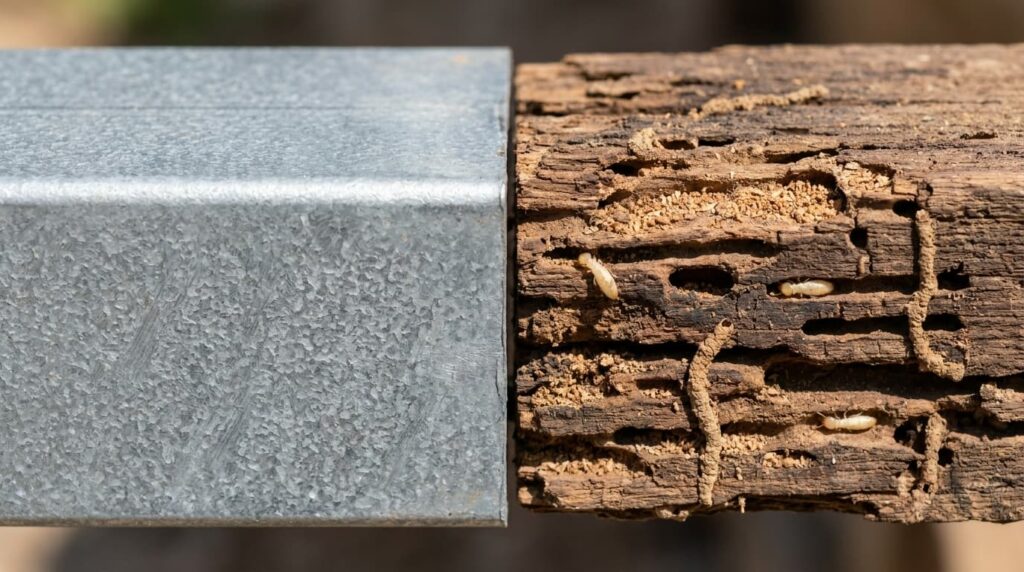
Wood pergolas are popular for their natural look, but they come with significant downsides. Wood is susceptible to rot, termites, warping, and fading. It requires regular sealing, staining, and repainting to maintain its appearance and structural soundness. An iron shade structure, by contrast, doesn’t rot, warp, or attract pests. With a quality powder-coated or galvanized finish, iron shade structures can last 30-50 years or more with minimal upkeep.
Iron Shade vs. Aluminum
Aluminum shade structures are lightweight and resistant to rust, but that lightness comes at a cost — reduced structural strength. Aluminum frames can bend or become damaged in high winds or heavy snow loads. Iron shade structures offer far greater rigidity and load-bearing capacity, making them the superior choice for larger spans, heavier roofing materials, or regions with severe weather.
Iron Shade vs. Fabric-Only Canopies
Fabric shade sails and canopies are affordable and quick to install, but they typically need replacement every 5-10 years due to UV degradation and wear. An iron shade frame can support a fabric canopy while providing a permanent, reusable structure — meaning you only need to replace the fabric top periodically instead of rebuilding the entire structure.
Durability That Lasts Generations
The single biggest advantage of iron shade is longevity. A well-built iron shade structure, especially one treated with anti-rust coatings and finished with weather-resistant paint, can genuinely become a lifetime investment. This is the philosophy behind Iron Goat Shade — creating structures that don’t just shade your outdoor space today, but continue doing so for decades.
The Benefits of Iron Shade Structures
1. Unmatched Strength and Stability
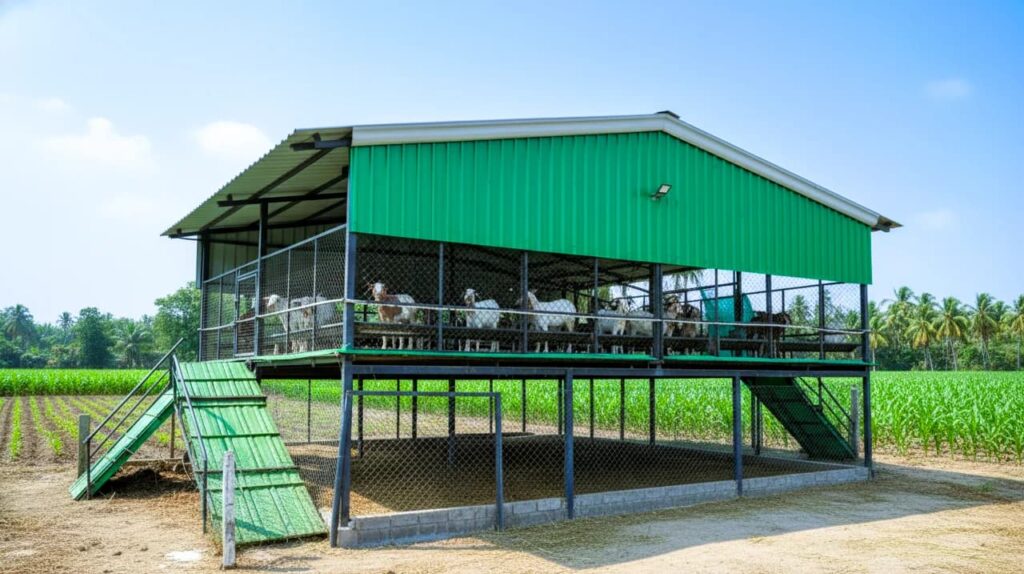
Iron is one of the strongest materials available for outdoor structures. An iron shade pergola or canopy can withstand strong winds, heavy rain, and even snow loads far better than wood or aluminum alternatives. This structural integrity means less risk of collapse, warping, or damage during severe weather events.
2. Timeless, Elegant Aesthetic
There’s a reason wrought iron has been used in architecture and design for centuries — it exudes elegance and craftsmanship. An iron shade structure can be designed with intricate scrollwork, clean modern lines, or rustic industrial styling, allowing it to complement virtually any architectural style, from Mediterranean villas to contemporary minimalist homes.
3. Low Maintenance Requirements
Unlike wood, iron shade structures don’t require annual sealing or staining. A quality powder-coated finish protects against rust and UV damage for years. Occasional cleaning and a fresh coat of protective paint every several years is typically all that’s needed to keep an iron shade structure looking new.
4. Versatility in Design
Iron shade structures can be customized to fit nearly any outdoor space. From freestanding pergolas and attached patio covers to arched garden trellises and poolside cabanas, the design possibilities are extensive. Iron Goat Shade works with clients to create custom iron shade solutions tailored to their specific space, climate, and style preferences.
5. Increased Property Value
A well-designed iron shade structure isn’t just functional — it’s an investment in your property. High-quality outdoor living features, especially those built with durable, premium materials like iron, can significantly boost curb appeal and resale value.
6. Support for Additional Features
Because of its strength, an iron shade frame can support additional elements like climbing plants, string lighting, ceiling fans, retractable canopies, or even solar panel installations — expanding the functionality of your outdoor space well beyond simple sun protection.
Types of Iron Shade Structures
Iron Pergolas
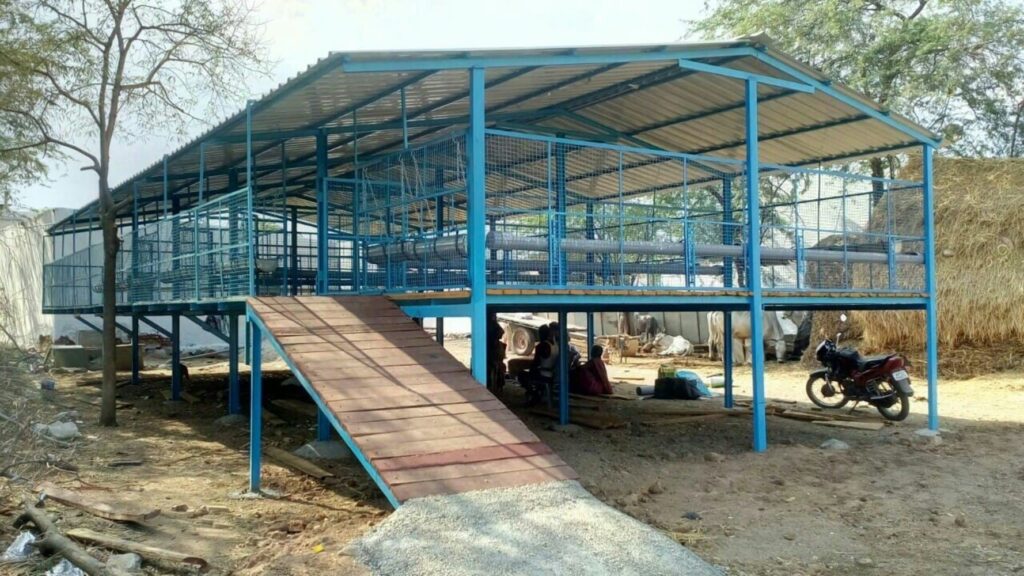
Perhaps the most popular iron shade option, iron pergolas provide partial shade while maintaining an open, airy feel. They’re ideal for patios, gardens, and entertaining spaces, and can be left open at the top for a lattice effect or topped with polycarbonate panels or fabric for more complete sun protection.
Iron Canopies and Awnings
For spaces that require full shade coverage, an iron-framed canopy or awning provides reliable protection from sun and light rain. These structures are commonly used over patios, walkways, entrances, and outdoor dining areas.
Iron Gazebos
An iron gazebo combines the elegance of wrought iron with the functional benefits of a fully enclosed or semi-enclosed shade structure. These are popular for garden focal points, outdoor seating areas, and event spaces.
Iron Trellises and Arbors
Smaller in scale, iron trellises and arbors provide shade and structure for climbing plants while adding a decorative architectural element to gardens and walkways.
Custom Iron Shade Solutions
Iron Goat Shade also specializes in fully custom iron shade designs — built to match unique architectural requirements, unusual spatial dimensions, or specific design visions that off-the-shelf products simply can’t accommodate.
Design Considerations for Your Iron Shade Structure
Climate and Weather Exposure
Before choosing a design, consider your local climate. In coastal areas, opt for galvanized or stainless steel iron shade structures with rust-resistant coatings to combat salt air corrosion. In areas with heavy snowfall, structural engineering should account for additional load-bearing requirements.
Sun Orientation
Understanding how the sun moves across your property throughout the day will help determine the ideal placement, size, and roofing material for your iron shade structure. South- and west-facing spaces typically need more substantial shade coverage due to intense afternoon sun exposure.
Roofing Material Options
While the iron frame provides the structural backbone, you’ll also need to choose a roofing or canopy material:
- Polycarbonate panels – offer full sun and rain protection with a modern look
- Retractable fabric canopies – provide adjustable shade levels
- Open lattice tops – create dappled light, ideal for climbing plants
- Solid metal roofing – maximum protection and a more permanent, architectural feel
Color and Finish
Iron shade structures are typically finished with powder coating in a range of colors — from classic matte black and bronze to custom colors that match your home’s exterior. The finish not only affects aesthetics but also plays a critical role in rust prevention and longevity.
Integration with Existing Architecture
A thoughtfully designed iron shade structure should feel like a natural extension of your home or commercial space, not an afterthought. Matching design elements — such as railing styles, fixture finishes, or color palettes — helps create a cohesive look.
The Iron Shade Installation Process
Installing an iron shade structure is a more involved process than assembling a prefabricated aluminum kit, but the payoff in durability and customization is well worth it. Here’s what the process typically looks like when working with a specialist like Iron Goat Shade:
Step 1: Site Assessment and Consultation
A professional installer will evaluate your outdoor space, taking measurements, assessing soil and ground conditions, and discussing your design goals, budget, and functional needs.
Step 2: Custom Design and Engineering
Based on the consultation, a custom iron shade design is created, factoring in local building codes, wind load requirements, and structural engineering standards.
Step 3: Fabrication
The iron components are fabricated — often hand-forged or precision-welded — according to the finalized design specifications. This stage may include decorative detailing, custom sizing, and protective coating application.
Step 4: Foundation and Anchoring
Proper anchoring is critical for iron shade structures given their weight and the wind loads they need to withstand. This typically involves concrete footings or anchor bolts set into existing hardscape.
Step 5: Assembly and Installation
The iron frame is assembled on-site, and any roofing or canopy materials are installed. Professional installation ensures proper leveling, secure anchoring, and structural integrity.
Step 6: Final Inspection and Finishing Touches
A final walkthrough ensures everything meets design specifications and safety standards, followed by any finishing touches like lighting installation or plant integration.
Maintaining Your Iron Shade Structure
One of the greatest advantages of iron shade is how little maintenance it requires compared to wood or fabric alternatives. Still, a bit of routine care will maximize the lifespan and appearance of your structure.
Regular Cleaning
Wipe down your iron shade structure periodically with mild soap and water to remove dirt, pollen, and debris. This prevents buildup that could trap moisture against the metal surface.
Inspect for Rust or Chipping
Check your iron shade structure annually for any signs of chipped paint, rust spots, or coating wear — particularly at joints, welds, and ground contact points. Address small issues early with touch-up paint or rust-inhibiting primer before they spread.
Tighten Hardware
Over time, bolts and fasteners can loosen due to weather exposure and thermal expansion. Periodically check and tighten hardware to maintain structural stability.
Refresh Protective Coating
Depending on your climate and the quality of the original finish, reapplying a protective powder coat or rust-resistant paint every 5-10 years will keep your iron shade structure looking pristine and performing at its best.
Manage Surrounding Vegetation
If you’ve incorporated climbing plants into your iron shade design, periodic pruning helps prevent excess moisture retention against the metal and keeps the structure looking tidy.
Cost Considerations for Iron Shade Structures
Iron shade structures typically represent a higher upfront investment compared to basic aluminum or fabric shade options. However, when you factor in the extended lifespan, minimal maintenance costs, and added property value, iron shade often proves more cost-effective over the long term.
Several factors influence the final cost of an iron shade project:
- Size and scale of the structure
- Design complexity — decorative scrollwork and custom shapes require more fabrication time
- Roofing material selected (polycarbonate, fabric, solid metal, or open lattice)
- Site conditions — including ground prep, existing hardscape, and accessibility
- Finish quality — premium powder coating versus standard paint
- Additional features — lighting, fans, retractable canopies, or planters
Working with an experienced provider like Iron Goat Shade ensures you get a transparent, accurate quote based on your specific project requirements, along with expert guidance on where to invest for maximum durability and where you might have flexibility to manage costs.
Why Choose Iron Goat Shade?
At Iron Goat Shade, the mission is simple: build outdoor shade structures that combine uncompromising strength with genuine craftsmanship. Every iron shade project is approached as a long-term investment — not just for the property owner, but for the structure’s ability to perform beautifully for decades.
Here’s what sets an Iron Goat Shade project apart:
- Custom-engineered designs tailored to your space and climate
- High-quality materials built to resist rust, warping, and weather damage
- Skilled fabrication and installation ensuring structural integrity and lasting beauty
- Versatile styling options — from ornate traditional wrought iron to sleek modern designs
- A commitment to durability, so your iron shade structure remains a functional, beautiful part of your outdoor space for generations
Whether you’re shading a cozy backyard patio or designing a statement structure for a commercial property, choosing iron shade means choosing a solution built to last.
Frequently Asked Questions About Iron Shade
How long does an iron shade structure last? With proper coating and maintenance, a quality iron shade structure can last 30-50 years or more, significantly outlasting wood or basic aluminum alternatives.
Does iron shade rust? Iron can rust if left untreated, but modern iron shade structures use galvanization and powder coating to create a highly rust-resistant finish. Periodic maintenance further extends resistance to corrosion.
Is iron shade more expensive than wood or aluminum? Typically, yes, in terms of upfront cost. However, the reduced maintenance needs and extended lifespan of iron shade structures often make them more economical over time.
Can an iron shade structure be customized? Absolutely. One of the biggest advantages of iron shade is its design flexibility — from decorative scrollwork to minimalist modern frames, custom sizing, and integrated features like lighting or retractable canopies.
Is professional installation necessary for iron shade structures? Given the weight and structural demands of iron shade structures, professional installation is highly recommended to ensure proper anchoring, code compliance, and long-term safety.
Conclusion
Choosing the right shade structure for your outdoor space is about more than blocking the sun — it’s about investing in a feature that enhances your property’s beauty, functionality, and value for years to come. Iron shade structures offer a rare combination of strength, elegance, and longevity that few other materials can match, making them an excellent choice for homeowners and businesses alike.
Whether you’re envisioning a classic wrought iron pergola, a modern canopy design, or a fully custom iron shade solution, Iron Goat Shade brings the craftsmanship and engineering expertise needed to bring your vision to life — built to shade, built to last.